3v3 action-strategy games: Summon creatures, cast deadly spells, and harness the power of the titans in intense battles
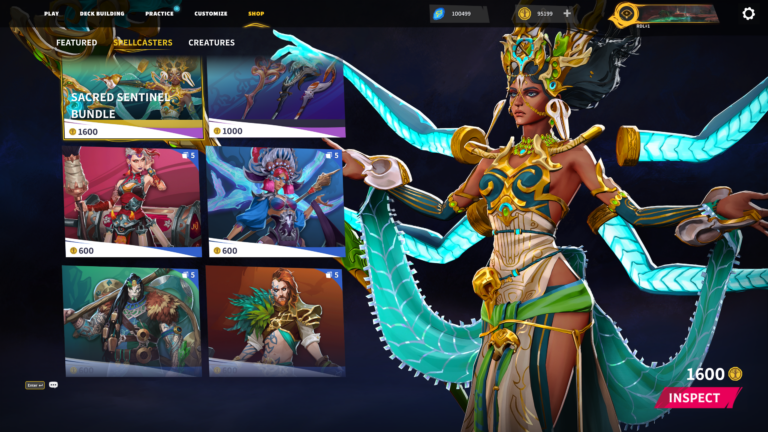
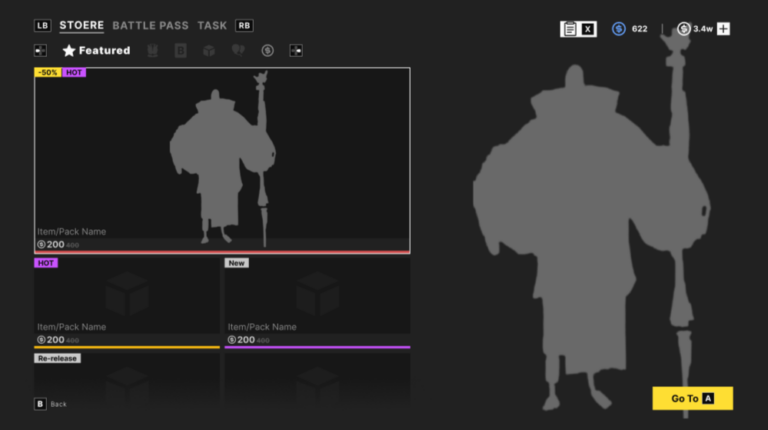
I worked on developing flexible and high-performance user interfaces. This included, among other things, setting up in-game store systems that integrated Steam transactions, 2D and 3D customization systems, daily quest features, implementing the HUD, and optimizing the user interface’s performance.
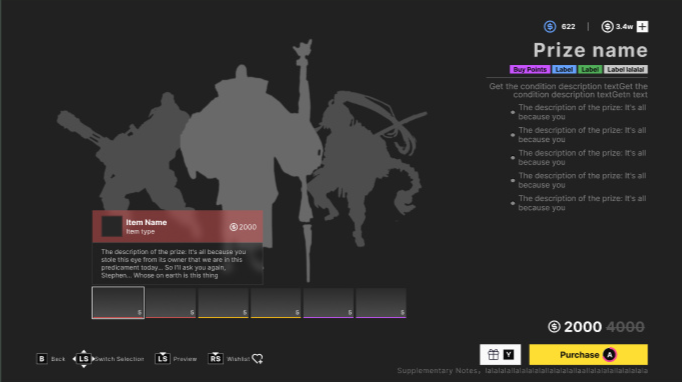
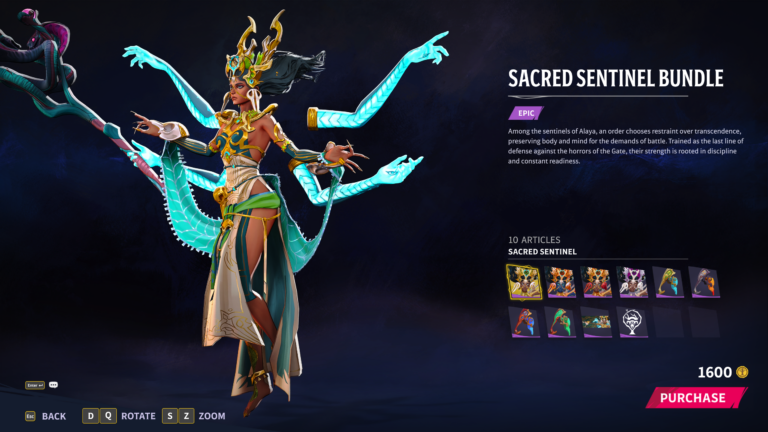
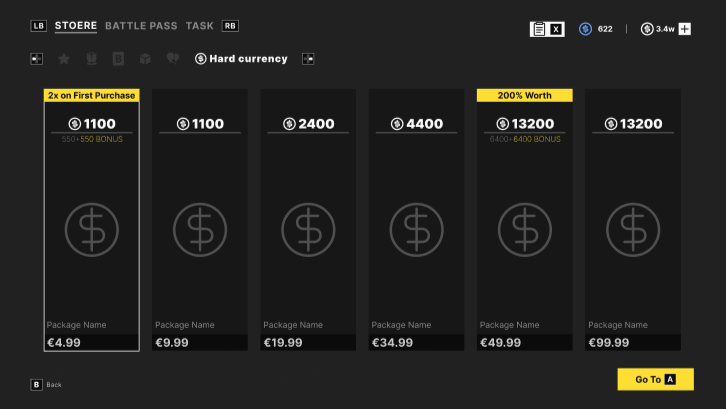
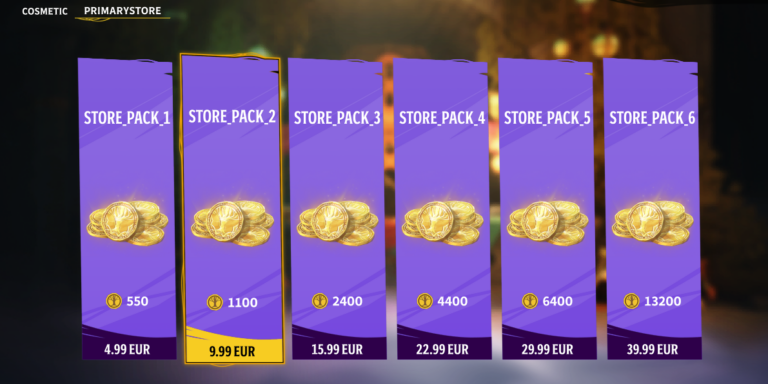
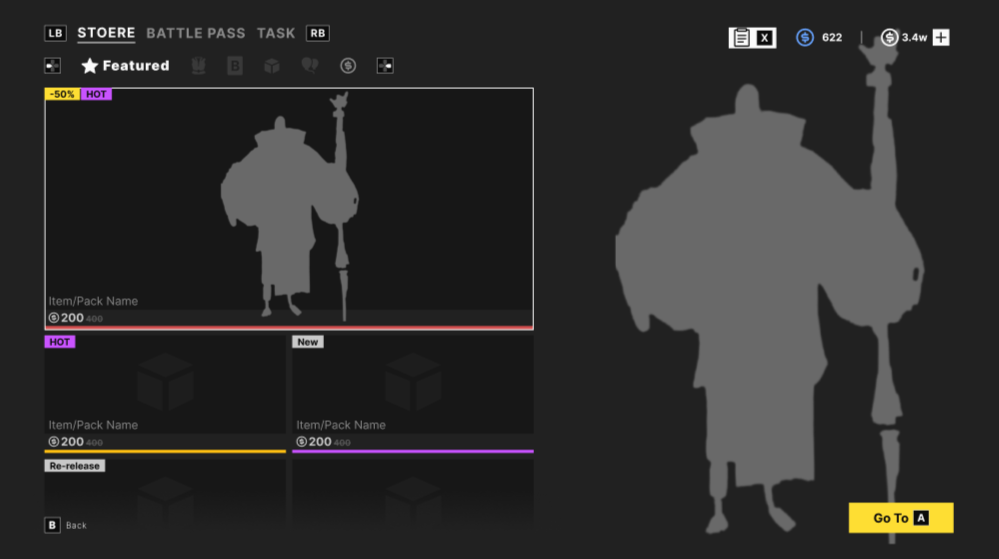
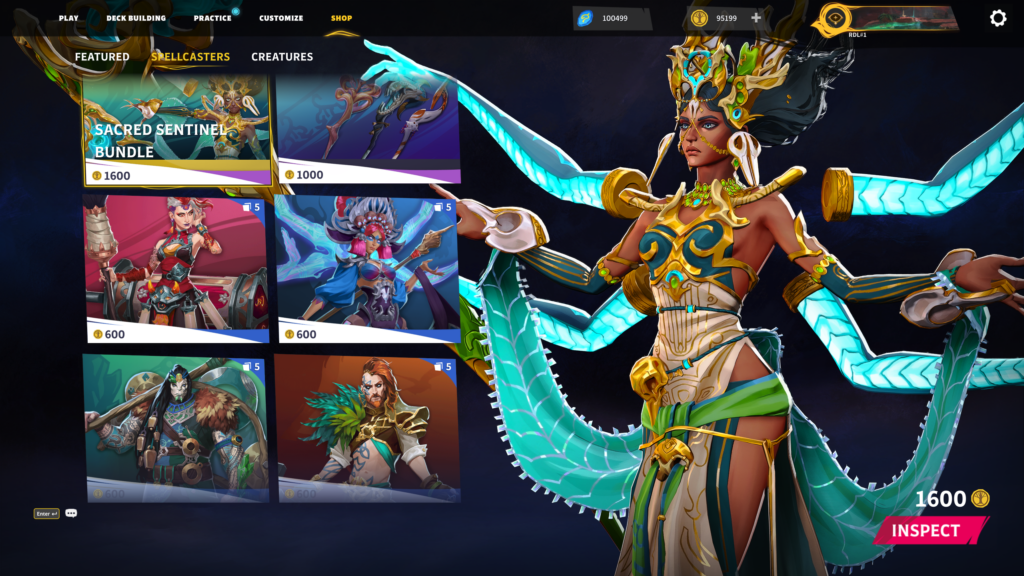
Offers and bundle are setup in the back end through a LiveOps portal and the game shop load those offers and bundles to display them to the player.
1,607 transactions made through the in-game store


Implemented support for purchases using premium currency (Elder Gold) and acquiring this currency through the Steam Overlay payment flow. Built the storefront with a modular and data-driven architecture, allowing new catalog content, promotions, and monetization features to be deployed efficiently without UI refactoring.
Developed and integrated the in-game storefront UI, supporting cosmetic purchases, virtual currency transactions, and LiveOps content delivery.
Collaborated closely with UX/UI designers, Online Services, and Gameplay Programming teams to ensure accurate display of transaction and inventory data within the client.
Reinforced long-term player retention through clear progression and reward visibility.
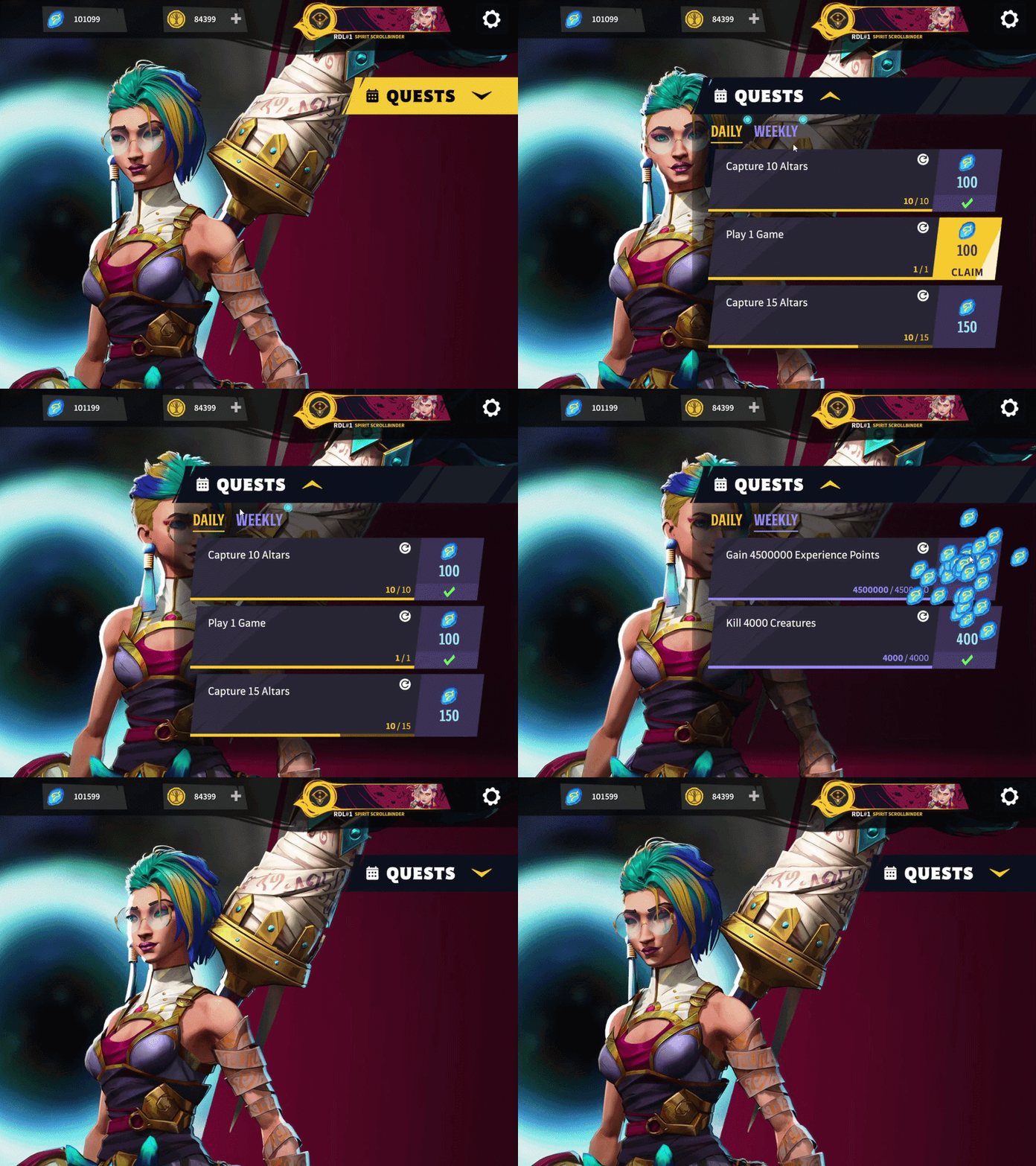
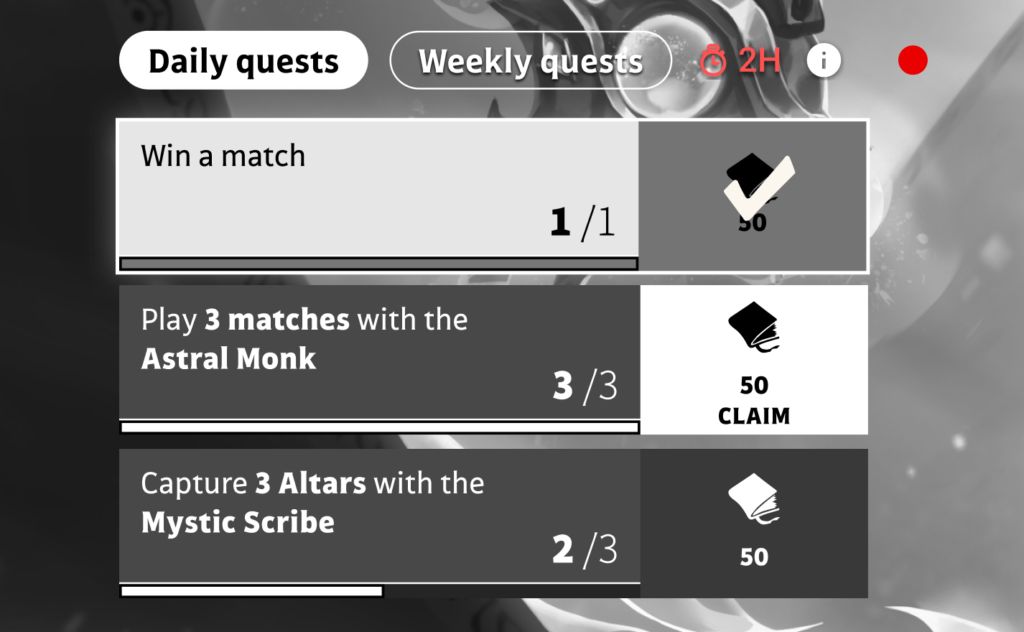
Implemented a recurring quest system supporting daily and weekly objectives through a LiveOps-driven configuration pipeline.
The system supported multiple quest pools with assignment logic, so that both easy and difficult daily quests could be provided. Reward feedback animations were fully generated in code to minimize performance overhead and dynamically adapt particle quantities to reward values.
While this approach improved runtime efficiency, it also revealed limitations in animation flexibility and iteration speed, highlighting future opportunities for tooling improvements.
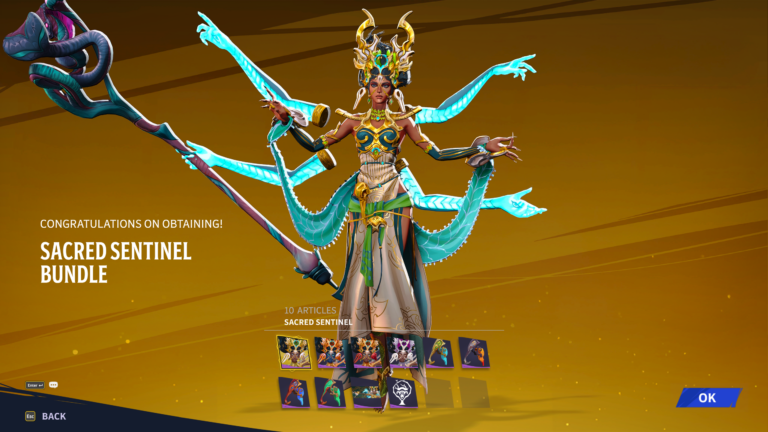
Items purchased through the in-game shop could be equipped directly from the customization screen.
53 creature cosmetics
56 spellcaster cosmetics
107 catalyst cosmetics
Developed a character customization interface. The UI system is built to be scalable, allowing for the addition of new items to the inventory, whether they are unlocked or locked, purchased from the shop, or received as rewards.
Implemented on-demand 3D model instantiation to reduce unnecessary memory usage and improve runtime performance. Explored preload strategies to minimize transition latency between character previews.
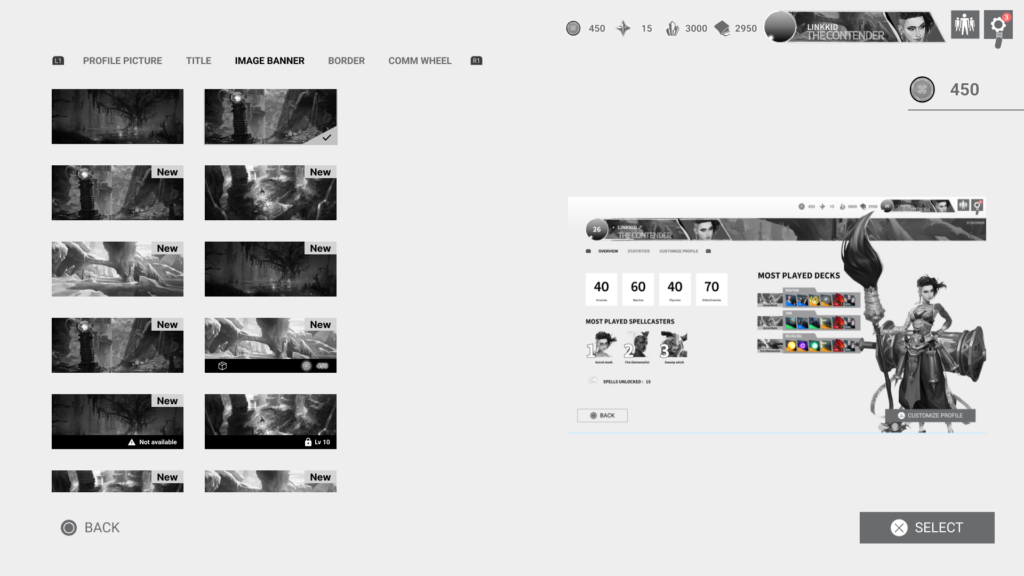
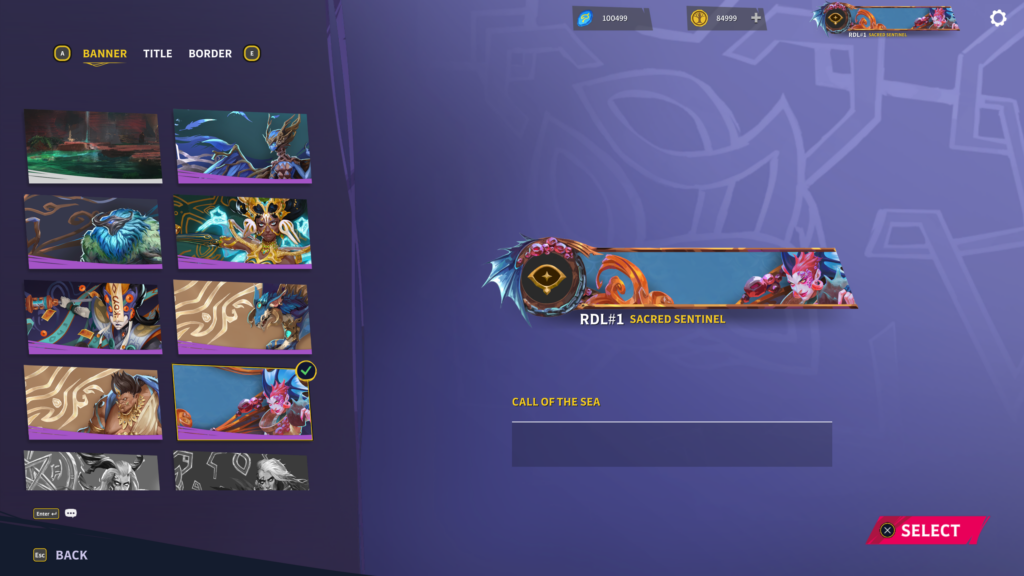
Built a modular 2D profile customization interface allowing players to equip banners, borders, and titles through a category-based navigation system.
Focused on clear visual feedback, responsive interactions, and scalable content management for LiveOps updates.
The UI architecture was designed to support dynamic content injection without requiring client-side restructuring.
Reduced technical debt, improved maintainability, and increased overall UI performance.
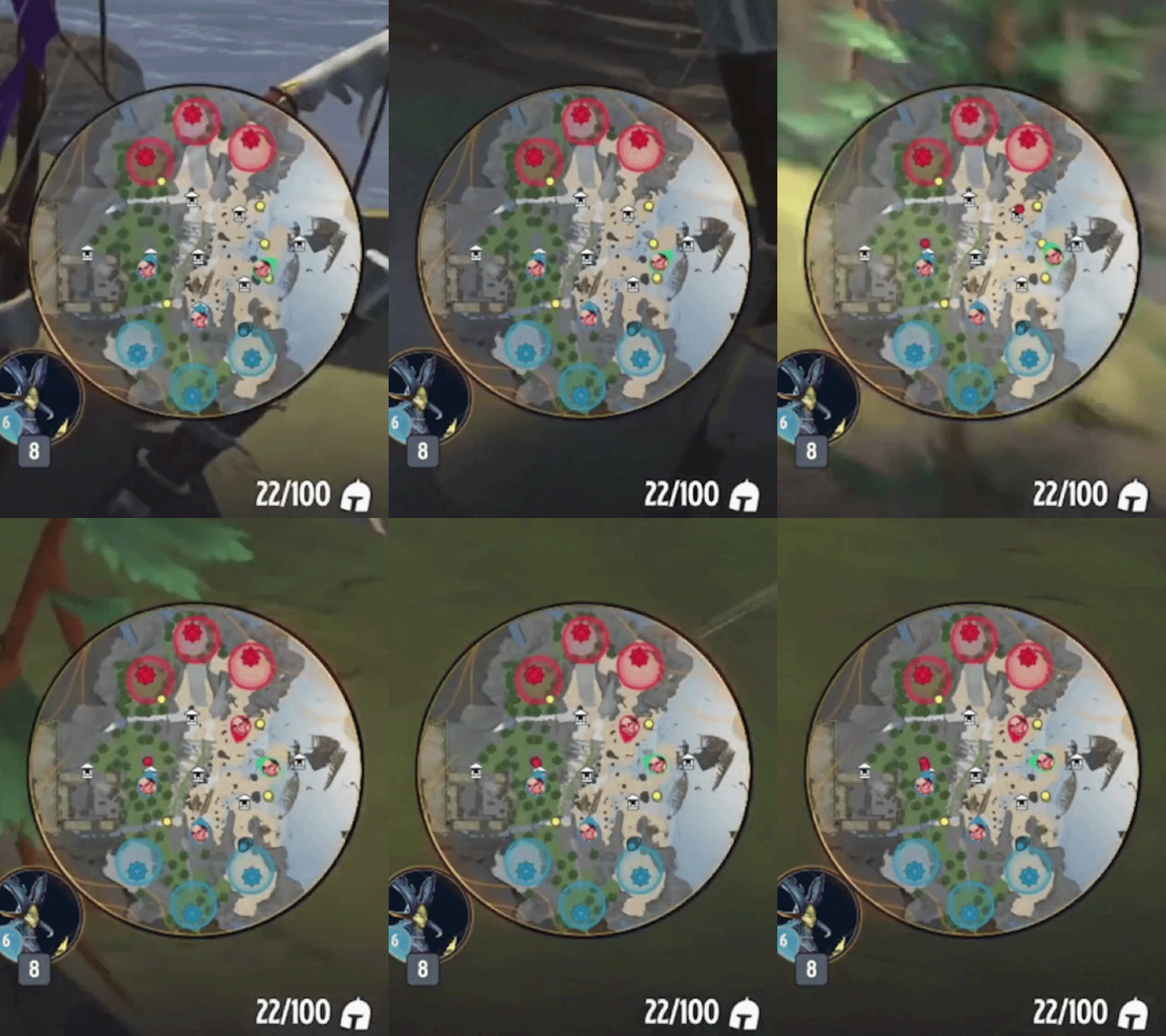
Refactored legacy UI systems to improve maintainability, scalability, and runtime performance. Reworked existing UI architecture into a more modular structure, reducing system complexity and simplifying future feature integration. One major optimization focused on the minimap update pipeline, significantly reducing UI update costs during gameplay.
Minimap UI update cost reduced from 4.36 ms to 2.09 ms.
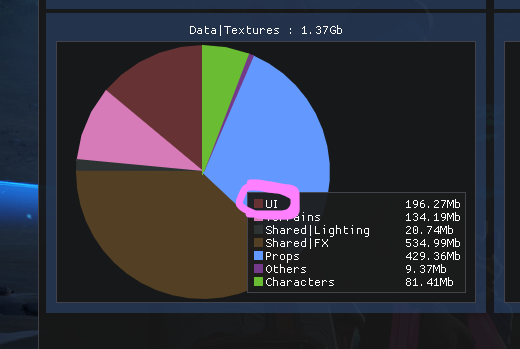
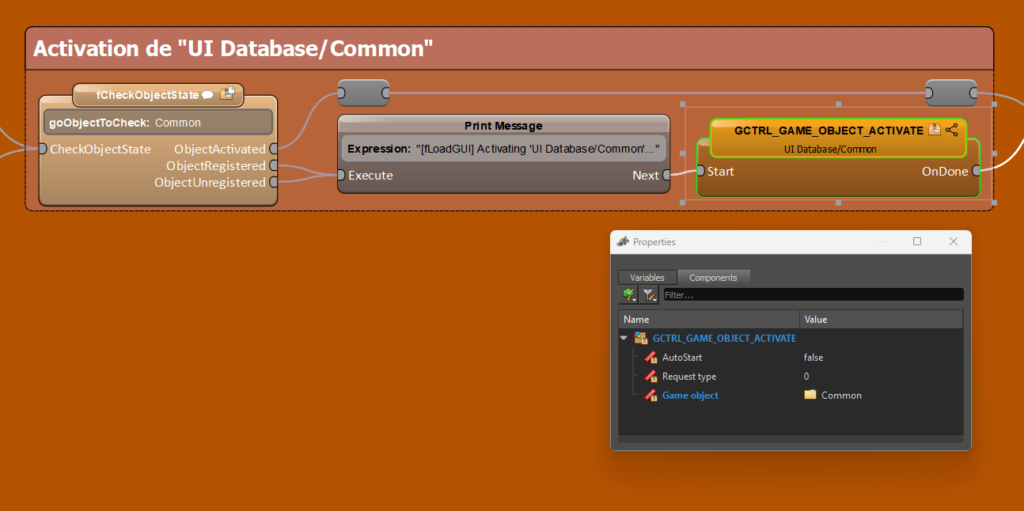
Reorganized the UI data architecture by separating resources into dedicated runtime categories based on game flow states.
Previously, UI assets and related data were loaded globally, increasing unnecessary memory usage and reducing scalability.
The new structure improved resource organization and allowed systems to better control which data sets were active depending on the current game context.
Complete re-coding of the minimap interface.
1,406 creatures/buildings summoned per match, averaging 230 per player per match.
Implemented minimap marker system with context-sensitive visual feedback
21 is the average level reached by the end of the game.
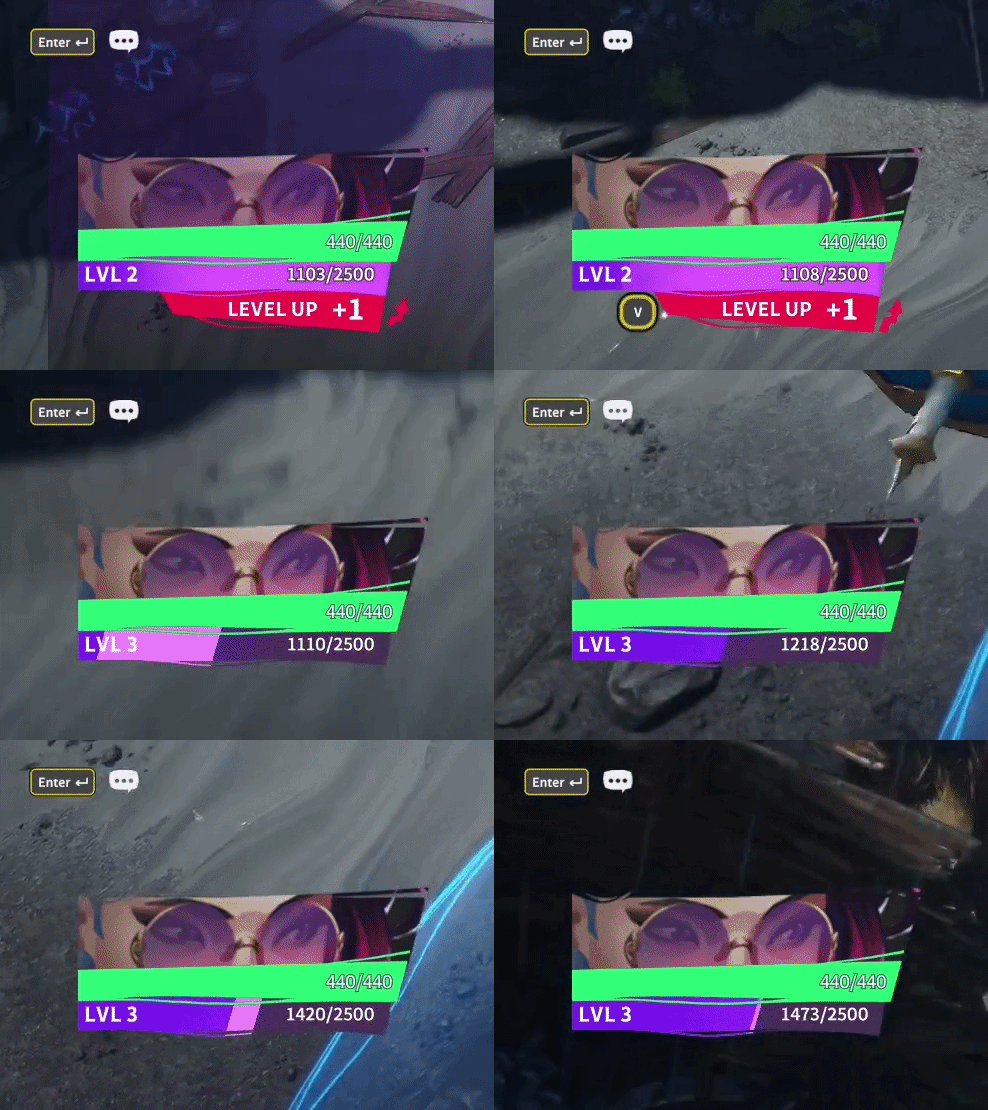
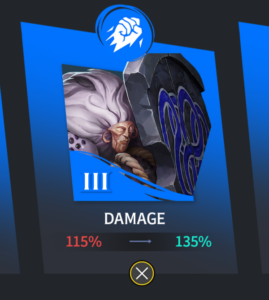
The progression is a dynamic system where players grow stronger during a match by earning points from defeating enemies or completing objectives, allowing them to level up and unlock upgrades that shapes their playstyle and strategy within a single match.
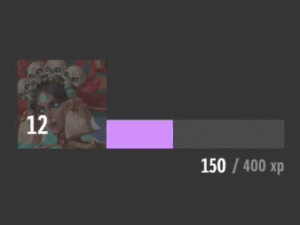
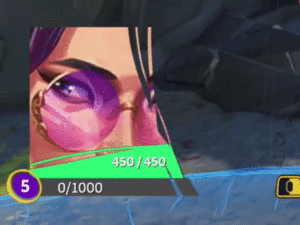
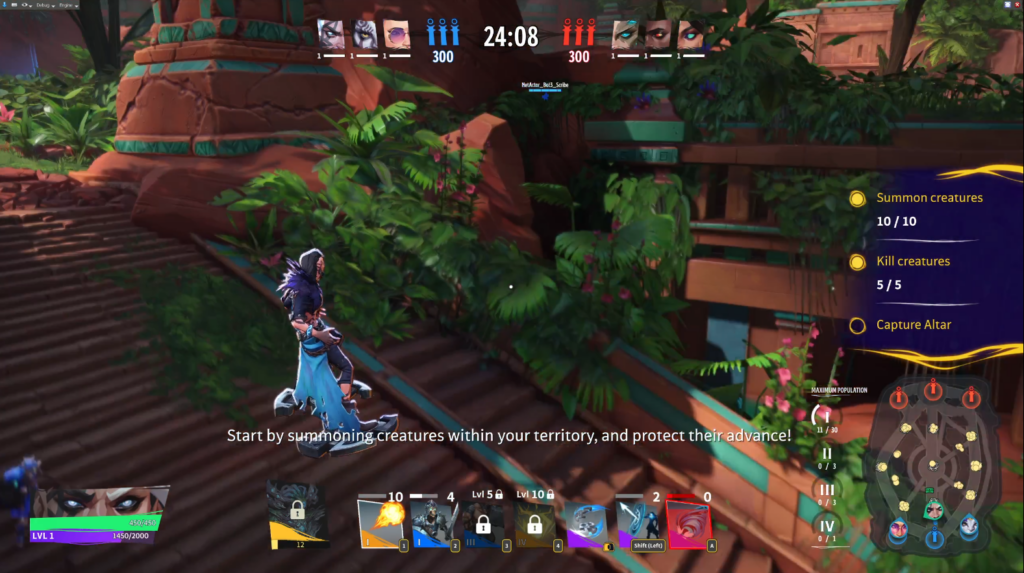
Player information display: health, hero image, experience, and progression.
The design has been refined based on internal feedback and playtests.
Here is how it has evolved :


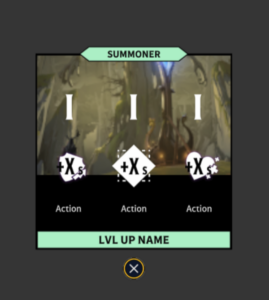
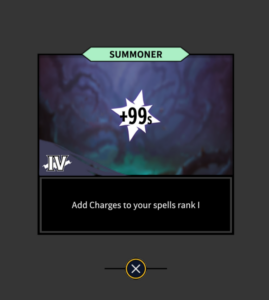
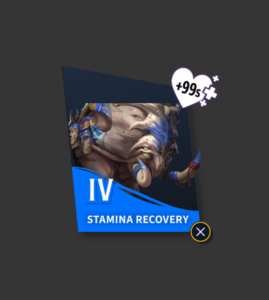
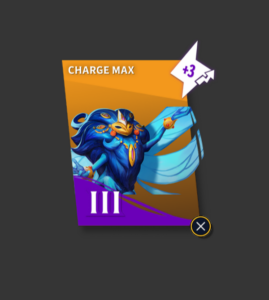
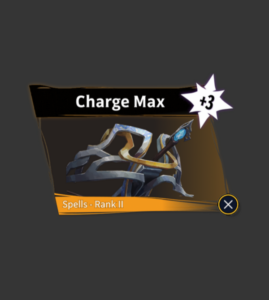
Players can improve their Spellcasting abilities during a single match.
The design has been refined based on internal feedback and playtests.
Here is how it has evolved :


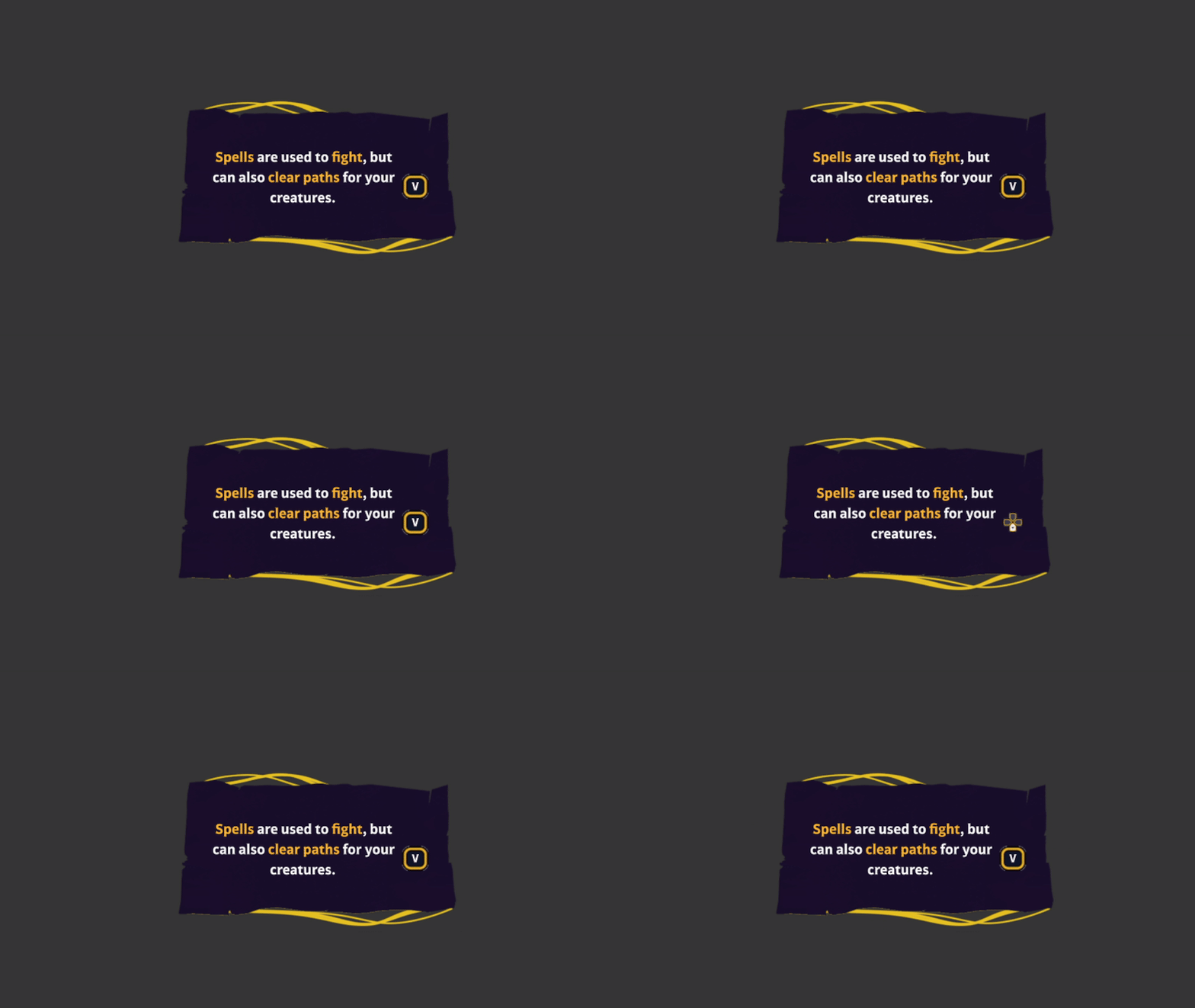
Implemented the UI for tutorial subtitles and the FTUE checklist, ensuring clear guidance and objective tracking throughout the onboarding experience.
Number of people who have completed the tutorial: 26,056.
Added a reporting system, accessible from the scoreboard, during the game and after the game.